FEATURED IN THIS ISSUE:
The predictability, science, and clinical success of implant therapy have elevated it from a specialized procedure to a standard treatment option across nearly every discipline of dentistry.
At the 2026 AO Annual Meeting, much of the conversation around artificial intelligence focused on what these tools can do. But in implant dentistry, the first question is not what AI can do. It is why.
The healing process at the extraction site follows a well-established sequence, beginning with clot formation, progressing to the development of a provisional matrix, and culminating in new bone formation and maturation.
The placement of immediate implants has opened multiple discussions about how to manage the gap that may exist between the implant and the facial plate of bone. Some of the questions that should be addressed are discussed in this article.
I never planned to be a speaker. Honestly, I did not even know that you could be one. However, I had a strong connection with teaching. Later, when I became a clinician, I often thought about how teaching was something that I really enjoyed.
The evolution of full arch implant therapy has dramatically improved the quality of life for millions of patients throughout the world. Patients who are edentulous and those with a “terminal dentition” can experience potentially life-changing functional and esthetic restoration and rehabilitation in less time, less cost and lasting results.
Take a trip down memory lane as we enjoy the images captured at the 2026 Annual Meeting held in Washington, DC in March of this year.
Achieving AO fellowship means embarking on a long journey that spans several years and encourages the development of a strong sense of community and belonging within the Academy – a great sources of professional pride.
To me, it is most important that all of us carry on the legacy of Professor P-I Branemark. Without his penchant for research, for biology and for his patients, implant dentistry would still be in its formative stage and the Academy of Osseointegration would not exist.
You finish residency or graduate from school with a deep clinical toolkit, an oversized loan balance, and the question: which road do I take? The right road is the one that aligns with who you already are and who you intend to become.
The contemporary rehabilitation of the fully edentulous patient with implant-supported prostheses requires careful selection of prosthesis type, material, and workflow. These decisions become more complex.
As dentistry becomes increasingly specialized, interdisciplinary treatment has become not only more common, but often essential to achieving predicable, esthetic and biologically sound outcomes.
As Editor-in-Chief of IJOMI, I witness a contradictory truth each week: we have more scientific output than ever, yet a shrinking pool of reviewers able or willing to thoughtfully critique that output. The consequences – delays, inequities in workload, inconsistent quality, and author disillusionment, touch every point along the research-to-care continuum.
The Academy of Osseointegration community was deeply saddened by the sudden passing of AO Diplomate Robert Miller, DDS of Del Ray Beach, FL. With his loss, our profession has lost a highly respected colleague, an innovative thinker in implant dentistry and a valued member of the AO/OF family.
To understand occlusion properly, we must begin by evaluating the entire face – not simply the teeth. Symmetry (or lack of symmetry), skeletal relationships, joint health and muscle function all influence what is possible and what will remain stable over time.
MEMBER NEWSLETTER | VOLUME 37, NO. 2 | 2026
Where Does AO Fit?
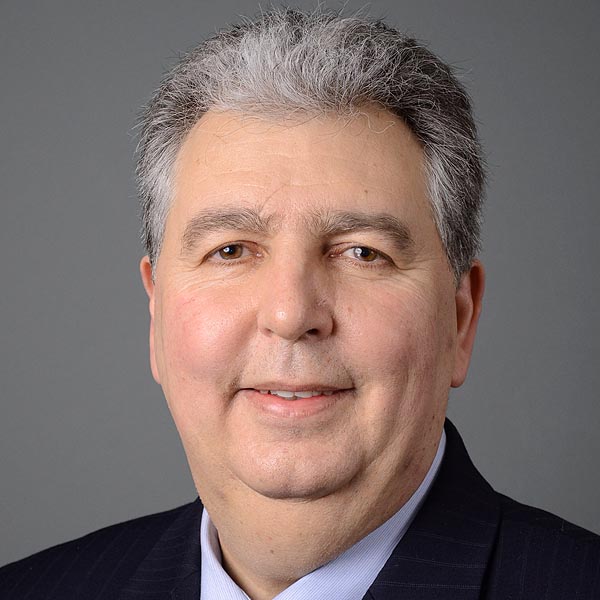
President’s message ____________________
The predictability, science, and clinical success of implant therapy have elevated it from a specialized procedure to a standard treatment option across nearly every discipline of dentistry.
Why Before How: Person-centered Care in the Age of Artificial Intelligence
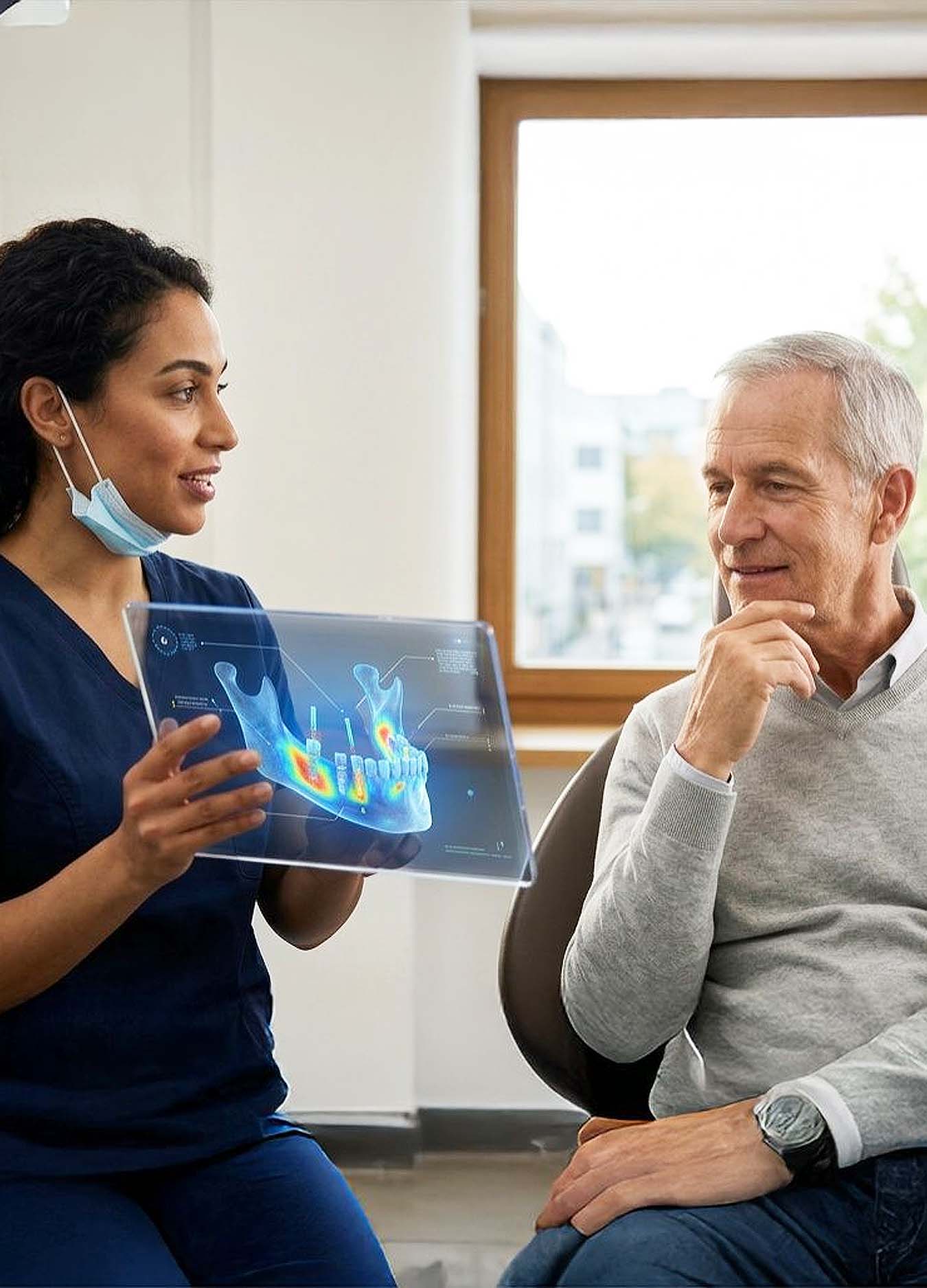
At the 2026 AO Annual Meeting, much of the conversation around artificial intelligence focused on what these tools can do. But in implant dentistry, the first question is not what AI can do. It is why.
Unforgiving Anatomy of the Socket Site: Are You Seeing What Matters?
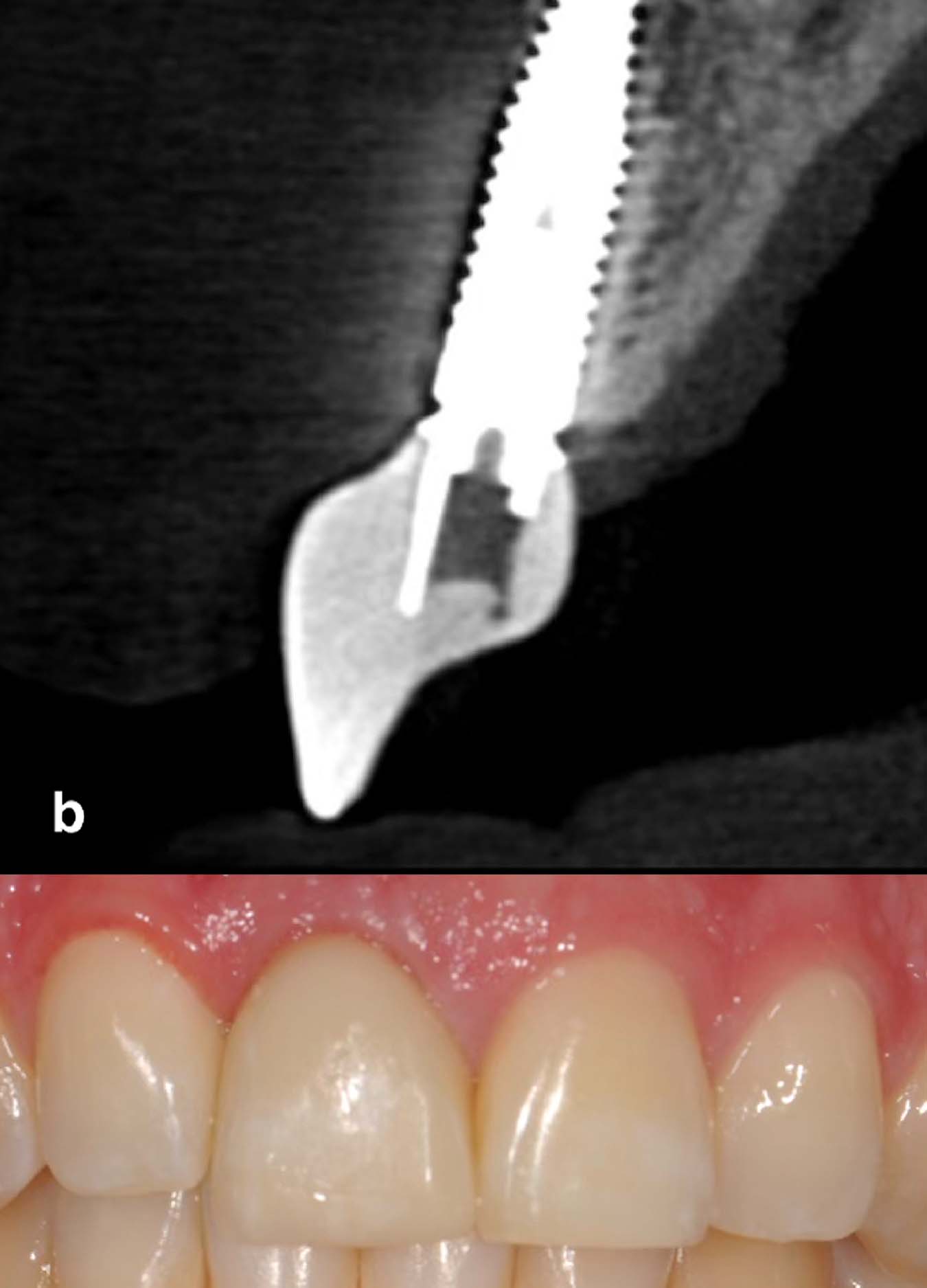
The healing process at the extraction site follows a well-established sequence, beginning with clot formation, progressing to the development of a provisional matrix, and culminating in new bone formation and maturation.
Managing the Gap With Immediate Implant Placement: Myths Versus Realities of Treatment

The placement of immediate implants has opened multiple discussions about how to manage the gap that may exist between the implant and the facial plate of bone. This article examines some of the questions that should be addressed.
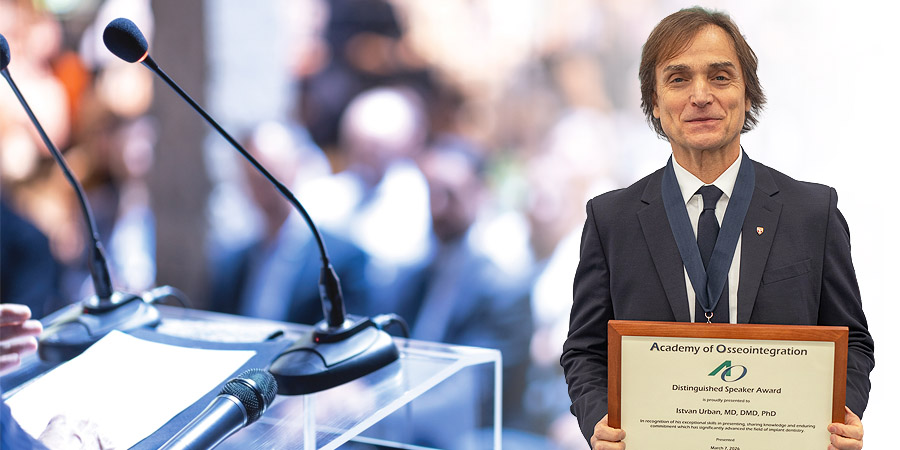
Lessons From the Podium
I never planned to be a speaker. Honestly, I did not even know that you could be one. However, I had a strong connection with teaching. Later, when I became a clinician, I often thought about how teaching was something that I really enjoyed.

The “Wild West Era” of Contemporary Full Arch Implant Therapy
The evolution of full arch implant therapy has dramatically improved the quality of life for millions of patients throughout the world. Patients who are edentulous and those with a “terminal dentition” can experience potentially life-changing functional and esthetic restoration and rehabilitation in less time, less cost and lasting results.
A Professional Journey Rooted in Periodontology and the Academy of Osseointegration
Achieving AO fellowship means embarking on a long journey that spans several years and encourages the development of a strong sense of community and belonging within the Academy – a great sources of professional pride.

A Journey Worth Taking
To me, it is most important that all of us carry on the legacy of Professor P-I Branemark. Without his penchant for research, for biology and for his patients, implant dentistry would still be in its formative stage and the Academy of Osseointegration would not exist.
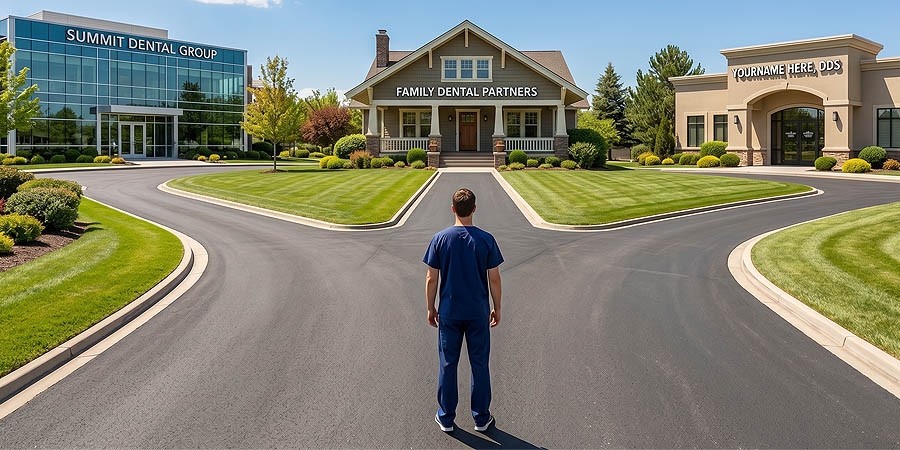
Three Roads Diverged – Helping Young Clinicians Choose Their Career Pathway in Implant Dentistry
You finish residency or graduate from school with a deep clinical toolkit, an oversized loan balance, and the question: which road do I take? The right road is the one that aligns with who you already are and who you intend to become.
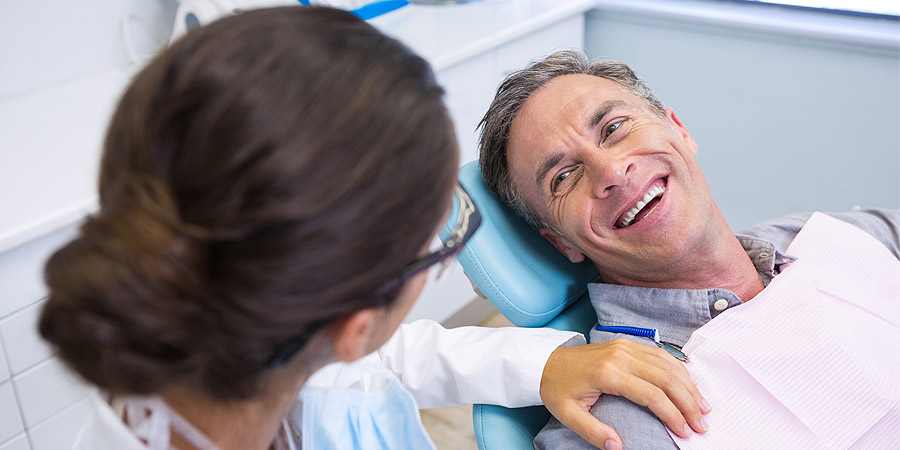
Considerations for the Prosthetic Restoration of Full Edentulous Patients With Severe Atrophy: Prosthesis Type, Material Selection and Digital Workflows
The contemporary rehabilitation of the fully edentulous patient with implant-supported prostheses requires careful selection of prosthesis type, material, and workflow. These decisions become more complex.
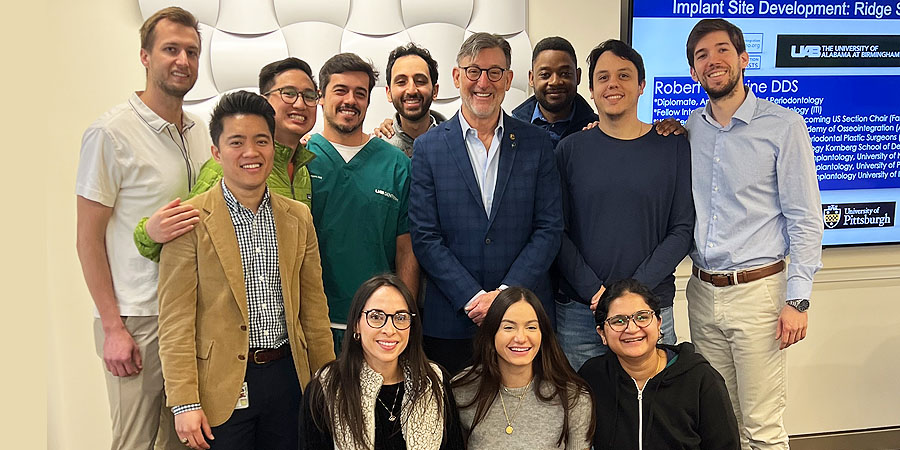
Treating People, Not Patients: Eight Keys to Team Stability in Interdisciplinary Care
As dentistry becomes increasingly specialized, interdisciplinary treatment has become not only more common, but often essential to achieving predicable, esthetic and biologically sound outcomes.
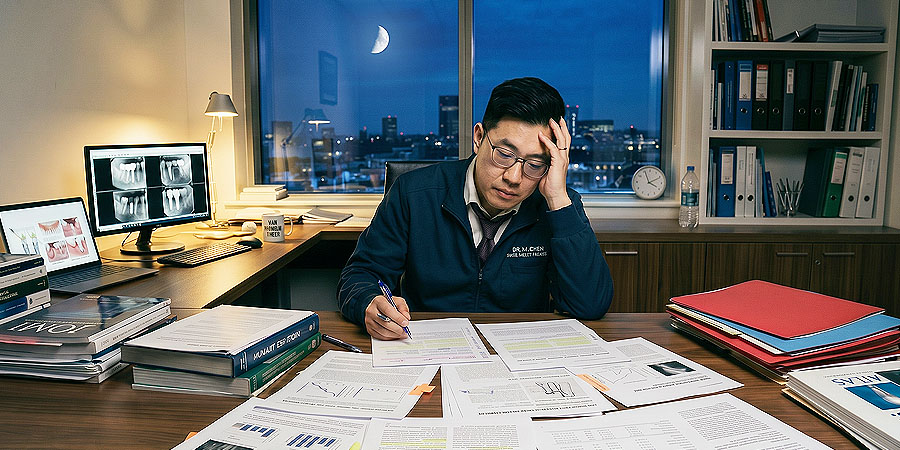
The Quiet Crisis in Peer Review for Our Clinical Journals: Why Clinical Science Needs More (and Better) Reviewers – Now
As Editor-in-Chief of IJOMI, I witness a contradictory truth each week: we have more scientific output than ever, yet a shrinking pool of reviewers able or willing to thoughtfully critique that output. The consequences – delays, inequities in workload, inconsistent quality, and author disillusionment, touch every point along the research-to-care continuum.
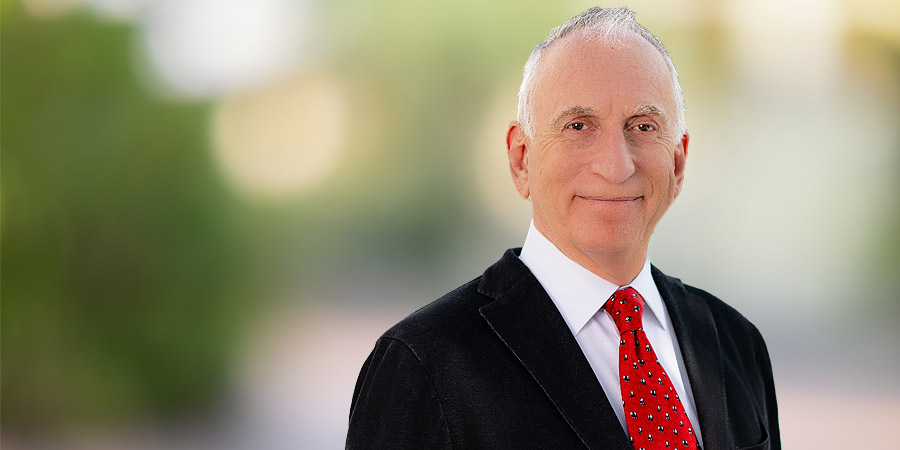
Tribute to Robert Miller, DDS
The Academy of Osseointegration community was deeply saddened by the sudden passing of AO Diplomate Robert Miller, DDS of Del Ray Beach, FL. With his loss, our profession has lost a highly respected colleague, an innovative thinker in implant dentistry and a valued member of the AO/OF family.
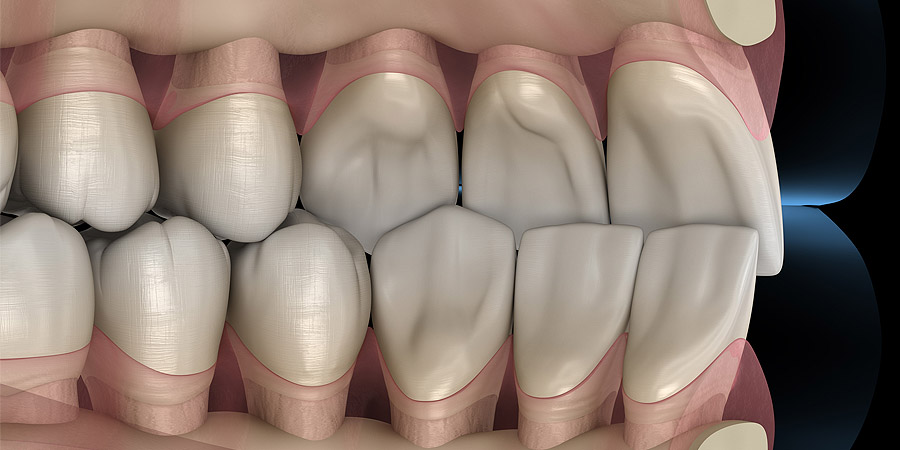
The Role of Occlusion in Interdisciplinary Comprehensive Care
To understand occlusion properly, we must begin by evaluating the entire face – not simply the teeth. Symmetry (or lack of symmetry), skeletal relationships, joint health and muscle function all influence what is possible and what will remain stable over time.
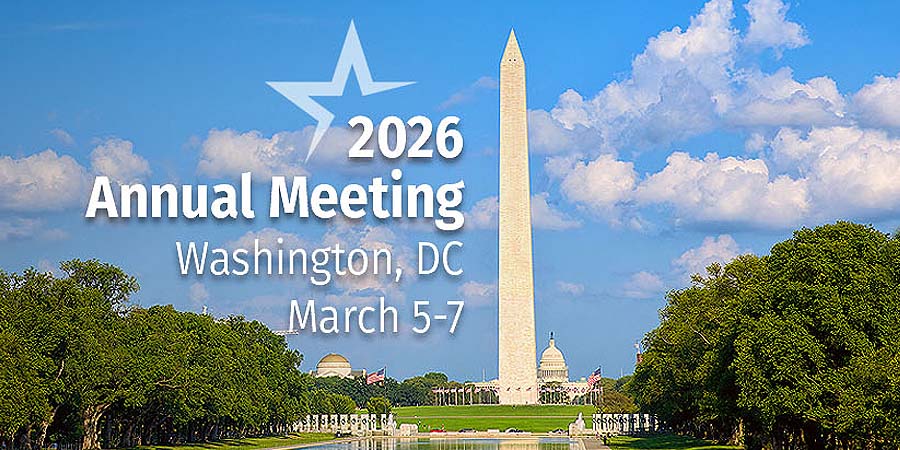
Capturing the Spirit of the 41st AO Annual Meeting
Take a look back at this year’s conference – a successful three days of education, innovation and connection.
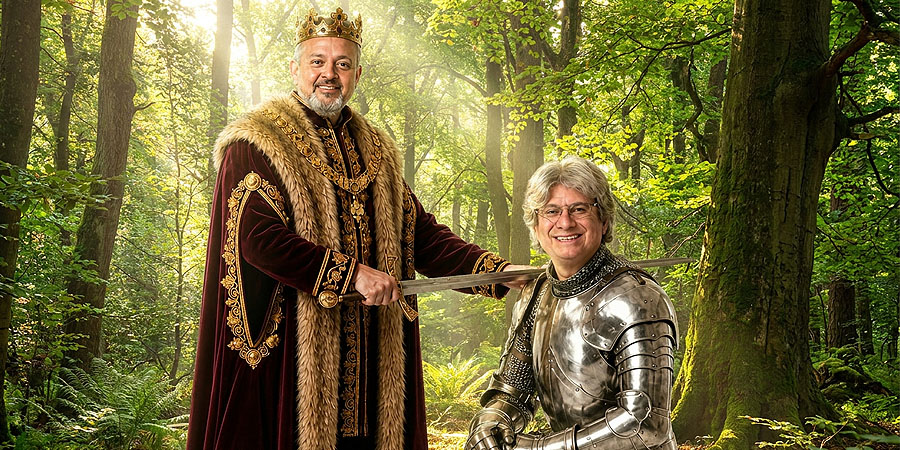
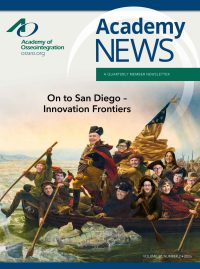
Editorial: John Adams, Dave Cowens, Shemp Howard…and Me
By: Paul Fugazzotto, DDS; Academy News Editor
Academy of Osseointegration
85 W. Algonquin Road, Suite 550
Arlington Heights, IL 60005
847-439-1919
Editor
Paul Fugazzotto, DDS
Board Liaisons
Mehrdad Favagehi, DDS, MS
Joseph Y.K. Kan, DDS, MS
Staff Editor
Jack Dempsey
Editorial Intern
Ava Heavenrich
Editorial Consultants
Anita Daniels, RDH
Brandon Dickerman, CDT
Adam S. Foleck, DMD
Philippe Khayat, MSD
Junying Li, DDS, MS, PhD
George A. Mandelaris, DDS, MS
Baldwin Marchack, DDS, MBA
Philip Melnick, DMD
Julie Mitchell, DMD, MS
Rami Salloum, DDS
Jinlong Shao, BDS, MSc, PhD
Rafael Siqueira, DDS, MS, PhD
Shih-Chang Tseng, DDS
Briar Voy, DDS
Academy News