The “Wild West Era” of Contemporary Full Arch Implant Therapy

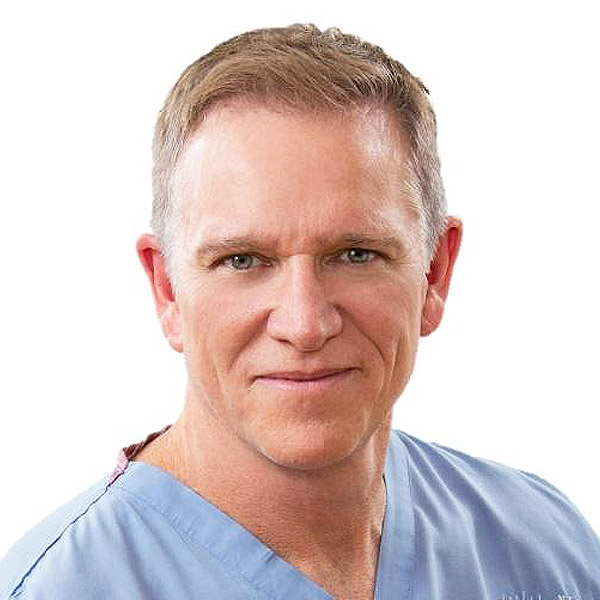
Dr. Keeney
By: Kanyon Keeney, DDS, AO Diplomate
Excellence will always rise to the top!
The evolution of full arch implant therapy has dramatically improved the quality of life for millions of patients throughout the world.
The evolution of full arch implant therapy has dramatically improved the quality of life for millions of patients throughout the world. Patients who are edentulous and those with a “terminal dentition” can experience potentially life-changing functional and esthetic restoration and rehabilitation in less time, at less cost and with lasting results. There are now more efficient digital workflows, enhanced surgical protocols, advanced implant concepts, and markedly improved prosthetic components, design and fabrication. This has resulted in potentially better treatment experiences and better outcomes.
With the evolution of the full arch treatment modalities, especially the “all-on-X” (AOX) approach, has come an explosion of more practitioners providing this care. There are now multiple variations as to how this treatment can be delivered to these patients. Those “traditional” surgeon/restorative doctor teams (usually in separate offices) have witnessed significant growth of various “full arch centers,” as well as more doctors providing both surgical and prosthetic aspects of this treatment for the patient.
Although each mode of this treatment presents its own challenges, it provides the potential for improved patient access and ongoing advancements in the efficiency of these modalities. As this growth continues, there is a significant elevation of awareness for patients about the possibilities of full arch treatment. More people today know about “same-day teeth” than ever before.
This increase in awareness by the public is mostly due to an explosion of marketing from a multitude of sources. Originally, a suggestion or referral by a patient’s dentist might lead a patient to seek full arch treatment. Today, magazine and newspaper print media, television commercials and infomercials, mailers, email blasts, social media, YouTube, websites and even highway billboards have elevated this awareness exponentially. This can be good. When, however, the information they see is misleading, contradictory, varies by source or, even worse, is inflammatory against other practitioners or specialties or just plain untrue, this can be bad. It can be confusing and intimidating to many patients. Patients often complain that they do not know what to believe or, worse, develop very unrealistic expectations. This is particularly important in patients with significant medical challenges or significant oral structural defects.
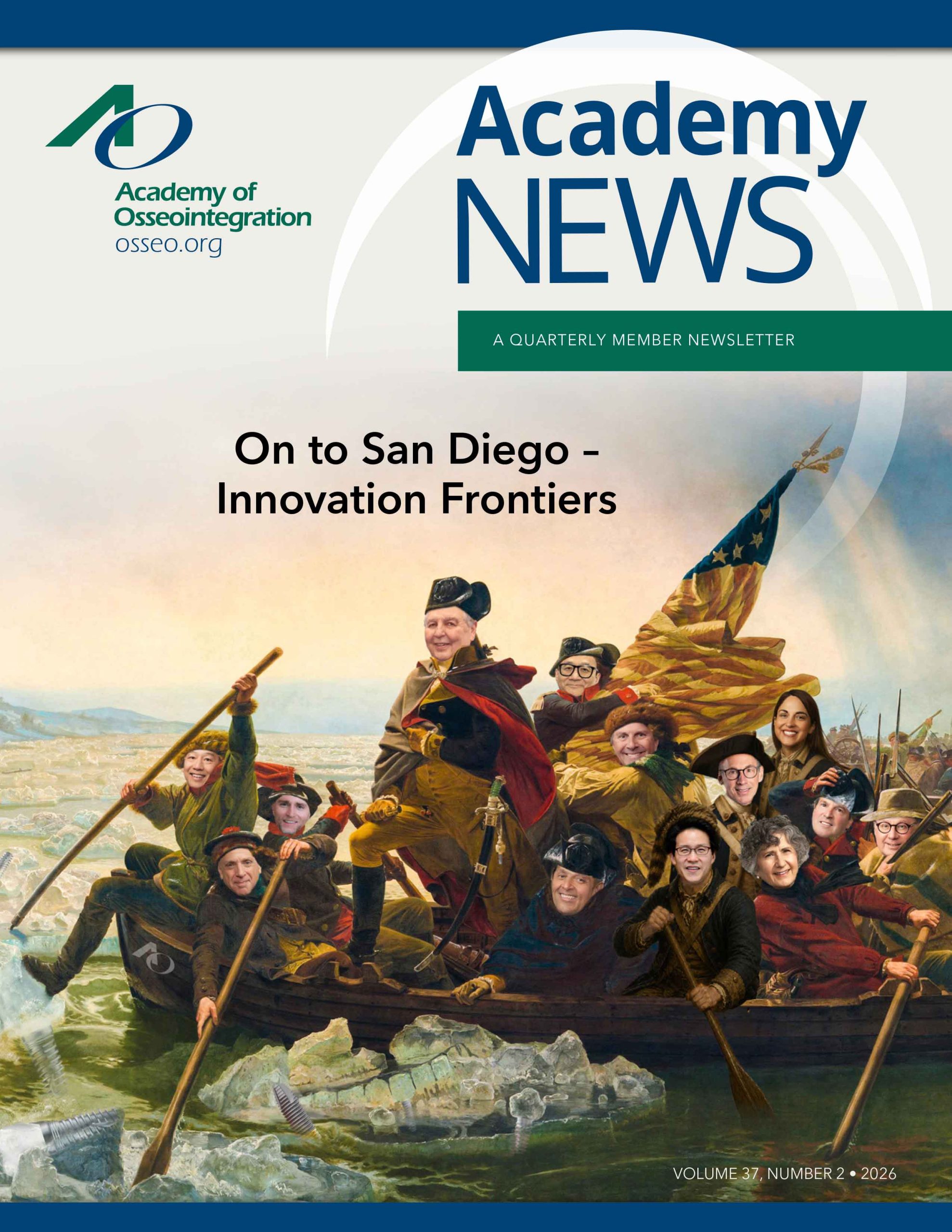
This period of time for full arch therapy has been loosely compared to the “Wild West Era” in U.S. history, where the promise of a better life led to the mass migration of millions to the western United States territories. Most found this better life, but some found misery. A plethora of misinformation and inexperience played a major role.
The Wild West of “full mouth implants” refers to a booming, highly marketed and sometimes inconsistent landscape of full-arch dental restorations, such as “All-on-4” or “teeth in a day.” While these procedures offer life-changing benefits such as restored chewing, improved confidence and permanent, fixed teeth, they come with high costs ($20,000-$100,000-plus), significant surgical risks and a wide variance in quality of care and provider experience. All-on-X treatment, while offering a revolutionary, life-changing, “teeth-in-a-day” solution for full-arch restoration, can become a “mayhem” (nightmare scenario) primarily due to improper treatment planning, poor patient selection and lack of experienced, collaborative care. While success rates often exceed 95% for properly executed cases, failure often stems from a “one-size-fits-all” approach.
Not all “terminal dentition” cases have to be treated as “terminal dentition.” Some patients do not need 12 mm of vertical bone reduced, and some full-arch cases may not need to be “full-arch.” Some FP3 cases may be better as FP1. Some “all-on-X” immediate-load cases may be better transitioned rather than immediately. Some patients may benefit more long-term from grafting certain areas in conjunction with their treatment, rather than defaulting to zygomatic or pterygoid implants. While these protocols can significantly change the lives of “terminal dentition” patients, failure to address the very reasons why they got there in the first place through patient education and clearly demarcating the patient’s responsibility for care could lead to an increased risk of implant and/or case failure. “All-on-4 regret” is a term loosely used in some legal corners and in litigation against dental practitioners. The tendency is to attack the practitioner’s experience, skill set, lack of collaborative care, need to remove all of a patient’s teeth when there are “still six good teeth,” etc.
Also, frequently, in litigation against our colleagues, these cases suggest the perception of greed. While some patients receive their treatment at academic centers, the majority will undergo this therapy in some form of private practice or corporate dental center. The latter two are businesses. The business of implant therapy involves art, science and a business model. The business model of different styles of practice may vary, but one principle should never vary: provide the patient with the treatment that is best for them, both short and long term. We are doctors and practitioners of the healing arts with an ethical and legal obligation to do what is best for the patient, not what is best for the business model. It is a worthy goal to have an efficient, successful business model, but the business model of any practice should never be the primary driver in clinical decisions for the patient.
When you explore the three most common “avenues” for the patient to obtain treatment, there are compelling advantages and disadvantages to each:
- The “traditional” two-doctor private practice (often
specialists/different offices) - The one-doctor treatment (the same doctor performing
both the surgical and restorative aspects of treatment) - The full arch implant center
Factors that vary with these models could include convenience for the patient, total treatment time, communication with the patient, accurate initial diagnosis and recognition of risk factors, management of all levels of clinical complexity, the overall range of treatment options available, management of significant medical compromise, laboratory interaction and digital workflow, long-term follow-up, management of complications and cost. There are significant beneficial lessons to be learned from all three treatment “avenues.” In the end, however, what is best for the patient has to be paramount.
- Patients who are edentulous or have terminal dentition are among the least healthy patients we will treat. Their various morbidities and comorbidities require adequate diagnosis and assessment. Effective management, along with adjustments and modifications to the treatment process, is essential. Failure to identify and manage these risks can lead to significant complications and failure. Your treatment algorithms and workflow must take this into account. We are doctors, not “wood shop technicians.” The very best digital workflow, equipment and implants can be easily overcome by significant medical compromise.
- The experience level of the doctors has been shown to be a major determinant in the success and failure of full arch treatment. Practitioners new to these protocols need extensive training. Case selection early in their “full arch career” should be commensurate with their experience and can benefit from collaborating with doctors who have more experience with these case types. It is best to avoid having one’s “ego write checks that your skill set can’t cash.”
- The best digital workflows, techniques and implant systems cannot compensate for making the wrong choice for our patients. We have to document the diagnostics and communication that we utilized in the process of determining the treatment choice. Among this documentation is evidence that we gave the patient many options, and we truly listened to the patient’s preferences (whether or not they are realistic). This relies on a powerful connection that is established with the patient who is candid and realistic. We cannot gloss over the pros and cons of our full arch treatment for these patients. This also includes informing them of their responsibility. They have to know what is expected of them, and this has to be documented. They need to take “ownership” of the maintenance, hygiene and follow-up that is necessary in full arch treatment. No matter how
well we treated the patient, no matter how advanced our surgery and prosthetics, poor home care, unchecked parafunction and inconsistent or absent follow-up can doom even the best work. - Any practice or “full arch center” has the right to market and advertise in the way it deems necessary as long as it falls within the bounds of state law and the professional governing boards. Some choose to market based on the fee or “price” of treatment. This certainly can attract new patients. It can also create pressure to compromise care where “one size fits all” may not work because of structural or medical complexities. No two cases are the same, and “what’s best for the patient” should always guide the treatment course. In a market economy, competition is usually good. However, when patients shop for and select full-arch treatment based primarily on cost, there are risks. It is very difficult for patients to differentiate other factors such as expertise, experience, training, quality of care and long-term outcomes. Therefore, many will reflexively default to what they do know, and that is price. Of course, their treatment is not like other commodities, but rather the chance for a lifechanging experience. Those doctors who choose not to “match” fees need to be able to attract and educate the patient on the value of treatment with them. This should never come, however, at the expense of denigrating other practices or centers.
Those practices that want to expand their implant and full arch focus have a multitude of avenues by which to grow, regardless of cost and the perceptions of “overcompetition.” The number of patients who are edentulous or have “terminal dentition” greatly exceeds the number of practices and centers that can treat them. Obviously, economics plays a major role, but it is all about attracting these patients to your practice, helping them realize its value, accepting your agreed treatment and then executing it in an efficient, clinically appropriate and successful way.
Often referred to as the A.C.E. system (Acquisition, Conversion and Execution):
- Acquisition: Attracting patients to your office who may or may not be solely driven by cost. This comes with the concept of branding. Become the best practice to go to for this treatment, regardless of cost. This, of course, takes time. It can involve any combination of advertising, including social media, referral outreach to multiple sources in the dental community and the community in general, lectures, articles and giving courses. It always includes credentials above and beyond the norm. A great example would be credentialing (Master and Diplomate) by the Academy of
Osseointegration. Choose to be unique and become the “go-to” practice for full arch treatment. - Conversion: Once you get the patient to your office, then you have to convince them of the value of doing it with you. This involves a connection established by the patient with you and your practice. Office, staff, you and the overall communication and flow of the experience for the patient should leave them with the feeling that “these people hear me,” “this practice knows what they are doing,” and “this is the place where I want my treatment.”
- Execution: This is where experience, training and technology take control to provide a streamlined, efficient, predictable, accurate and comfortable experience for the patient. The goal is to provide excellence, both short and long term, that the patient will tell everyone about. The evolution of full arch therapy in our profession has been quite remarkable. As with all technological advancement that transitions to mainstream use, there have been and will continue to be more “growing pains.” It is vital that we recognize and overcome the challenges to provide a true
improvement in the quality of life for the patients we treat. Even the “Wild West” days of United States history were followed by significant improvement in the quality of life for most people, as well as powerful economic growth. The leaders and members of the Academy of Osseointegration are certainly vital and at the forefront of improving the quality of care and striving for excellence.
In the words of Vince Lombardi, “Perfection is not attainable, but if we chase perfection, we can catch excellence.”