Multi-generational practice success: Andrew Brodsky, DMD, MSD & Paul Fugazzotto, DDS

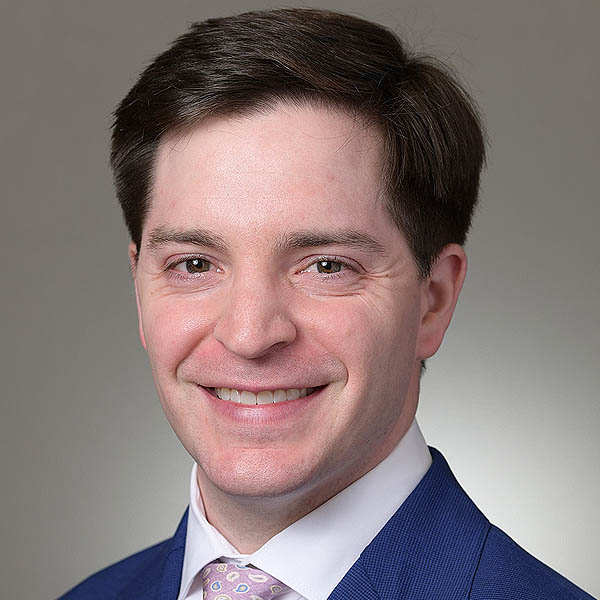
Dr. Andrew Brodsky
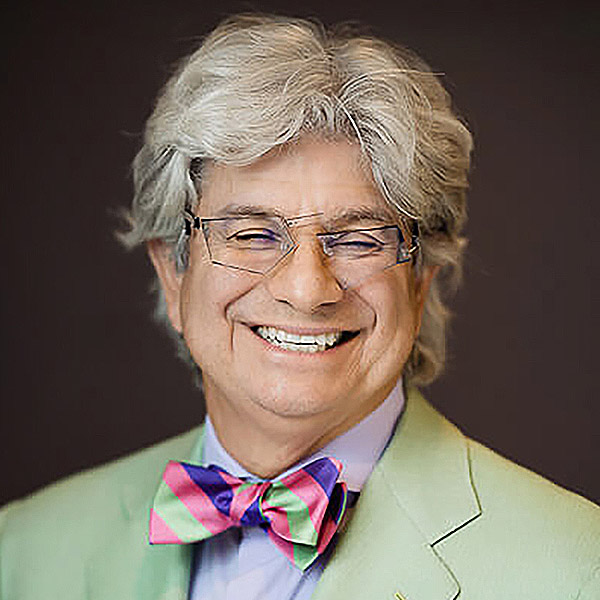
Dr. Paul Fugazzotto
Dr. Andrew Brodsky:
My career as a (relatively) new graduate has been enriched because I practice in a private group setting. It was my goal to join this type of practice because of the camaraderie between doctors and team members, doctors and referrals, and especially between doctors and patients. The opportunity to develop long-term relationships, as well as the autonomy to create my own patient-centered practice philosophy, is not readily available in the DSO model, and seems challenging to develop as an itinerant surgeon. Some practitioners may see other benefits to these models, but I find it hard to believe they feel as fulfilled as I do one decade into their careers.
Does this story sound familiar? A new grad, fresh out of school, lands their first job at a busy practice. The practice owner is slammed, the phones are ringing — but there’s no one in the new grad’s chair.
You may be thinking: it’s time to grow externally. The new grad needs to get out in the community and build their own referral base to grow the practice. That is critical. But if the new grad’s patients come exclusively from these new referring partners, it will be months or years until they make meaningful contributions to the business. Those years could be especially tough on the new grad. They may develop doubts about their future at the practice or consider finding a new job — all while feeling the pressure that mounts as student loan payments come due.
Instead of this model, consider an alternative approach impressed upon me as a new associate: no patients belong to any one of us. They are all patients of the practice. Put another way, you, the experienced practice owner, create an environment where a new hire can succeed and can immediately start seeing patients. Any patient.
Not just hygiene checks, and not just the patient who wants their slowly deteriorating condition be “monitored” and continues to decline recommended care. You encourage your associate to see emergency patients. Patients who come in asking for the first available appointment. Those with specific scheduling requests. These are the first ones to see the new grad.
This is when a patient’s trust and confidence in the practice matters more than ever. Patients value your recommendation because they trust you, and so will your referring doctors. By opening the door for your associate to see any patient in need, you position the practice as truly patient-first, strengthening your relationship with your existing referral sources and earning the trust and appreciation of your new employee.
But how do you ensure the quality of the new grad’s clinical acumen, technical abilities and patient management? As an experienced practitioner, your advice,
insights and knowledge sharing are invaluable, from treatment planning to discussing growth opportunities. You share specific insights when questions arise. While this process does not have to be formal or particularly time intensive, it begins to develop a mutually beneficial mentor-mentee relationship. The new grad benefits from your knowledge and experience, resulting in growth and expansion of your practice.
Then comes the next phase of growth for the grad: targeting the relationships the practice owner has already established but not maximized, which can be further explored. Reaching out to the office that used to refer but seems not to have sent patients for a while, and perhaps expanding the scope of services provided in the practice.
This is where I am now. In a busy periodontal office, growing with new referrals, strengthening our existing relationships and being open to new avenues for growth and development. I’ve been fortunate to have a mentor who is open-minded, supportive and not afraid of change, and who understands the value-add of a new dentist with a contemporary dental education.
The final years of a dentist’s career are not usually thought of as a time for evolution and growth, but that doesn’t have to be true. Bringing on a new associate is an incredible opportunity for an experienced clinician to share their knowledge, expand their business and develop a meaningful relationship with a young clinician who can carry on the legacy of you and your practice.
Dr. Paul Fugazzotto
The Challenge: The volume of patients sent to us by our referring partners to seek resolution of their oral health concerns and maximization of their quality of life had become tsunami-like. Dr. Anya Rost and I had essentially foregone lunch, and our stated office hours had become nothing more than a suggestion as we strove to consult with the vast number of new patients while still providing the desired level of care for our existing patients. We shared the belief that being “booked out months in advance” was a recipe for ultimate failure. Failure from the point of view of the patient who cannot receive timely care. Failure from a “business point of view,” as referring doctors would have no choice but to seek care elsewhere for many of their patients, who either presented with emergency situations or simply did not want to wait long periods of time to see us.
The Need for Introspection and Self-Assessment:
Dr. Rost had joined the practice years earlier. Our integration was immediate and essentially seamless, with regard to modalities of periodontal surgical therapies, having both been trained in pocket elimination periodontal therapy; but more importantly in our shared belief that all patients are individual human beings requiring respect and individualized care. Busyness, fatigue or planned vacations could never be an excuse for performing therapies at less than optimal levels. Could we find another such person? In order to do so, it was important for us both to realize that a new periodontist joining the practice had to be treated as an equal with regard to distribution of new patients, sharing of opinions and concerns, and overall respect within the hierarchy of the office. It was also important to realize that no periodontist with the necessary talent and patient outlook would remain with us even if they accepted a position, if they were treated as a “second class citizen,” performing hygiene and seeing only problem patients “until they got busy.”
The Cautions: The interviewing process of course begins with vetting of applications, and is often discouraging. Fortunately, I’ve been through this process before and knew what to expect: the “clinician” who has not had the type of training we believe is necessary to definitively treat periodontal concerns in combination with appropriate regenerative and implant therapies; the “know-it-all” implantologist who has an answer for every suggestion you make regarding the cases they show you; the “business person” who immediately wants to talk about how busy the practice is and what the starting salary would be, without bothering to show you clinical cases; the “quality of life” doctor, who wants to make it clear from the beginning that he/she will not spend time in evening meetings with doctors and wants to work 9 to 5; the “digitalist” who explains to you that meeting doctors is a waste of time as everything is done now through texts and digital platforms; these were all to be expected and were certainly encountered. Then there are the “proclaimer” who is too busy telling you about themselves to engage in any type of interactive conversation; the “somnambulist” who seems to be getting through the daytime hours while still unconscious; and the “overcooked pasta” doctor who is devoid of personality and whose speaking and singing range consists of one note.
The Outcome: Despite the above concerns, there was a positive outcome: Dr. Andrew Brodsky joining our practice. Dr. Brodsky had been trained in resective periodontal therapies, understood the integration of implant therapies into overall care as we are periodontists, not metallurgists, and recognized the need for repeated in-person meetings and events with referring doctors and potential referring doctors. Andrew also understands the value of mentorship, entering such discussions ego free and with a desire to evolve. In addition, Dr. Brodsky has brought a number of innovative ideas to the practice regarding appropriate utilization of digital platforms, digital communications, etc.
The Lesson: If you are willing to truly accept an associate dentist into your practice as an equal, albeit with less experience, as someone who doesn’t just “see the leftovers,” and is someone you engage in your discussions regarding practice strategies and practice future, you will find the appropriate associate, and hopefully eventual partner. You must be committed to mentoring, not “immediate production;” to education and personal growth. If, however, you believe that all of the referring doctors are “your doctors,” and that you should “triage the cases so that you treat the big ones,” you will be hard pressed to retain such an individual, even if you are lucky enough to have them initially join your practice.
It is not just a matter of “having another body to treat the patients.” Having the appropriate people join your practice will prove advantageous and profitable in both your professional and personal lives.
Dr. Andrew Brodsky is a board-certified periodontist, practicing in Milton and Norwell, Massachusetts.