Phytochemical-Based Triple-Agent Biomaterial for Oral and Craniofacial Bone Regeneration: Impact on Patient Care and Regenerative Medicine and Dentistry
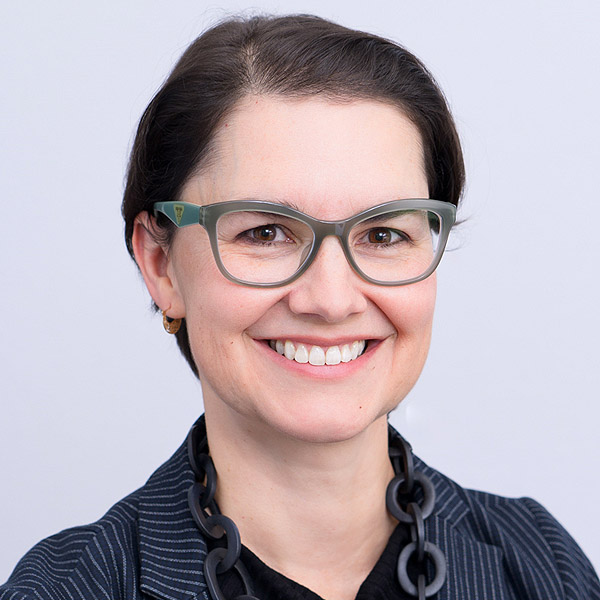
Dr. Miguez
By Patricia Miguez, DDS, MS, PhD; Associate Professor, Department of Periodontology, Endodontics and Dental Hygiene, University of North Carolina at Chapel Hill
Bone regeneration in the oral and craniofacial region remains one of the most clinically demanding challenges our field faces. In my years of practice and research, I have witnessed first hand how conditions such as tooth loss, periodontal disease, craniofacial trauma and osteonecrosis leave patients with significant bone deficits that compromise both function and quality of life. This reality has driven the work in my laboratory at UNC-Chapel Hill, funded by the Academy of Osseointegration, forward developing a safer and more effective approach to bone regeneration through a phytochemical-based triple-agent biomaterials with meaningful implications for patient care and the future of regenerative dentistry.
BMP-2: A Promising but Complicated Therapy
When BMP-2 first emerged as a regenerative tool, our field was genuinely excited. Discovered by Urist in the 1960s and approved by the U.S. Food and Drug Administration in 2007 for sinus augmentation and lateral ridge augmentation, it held remarkable promise. But over time, complications reported in both orthopedics and oral surgery — including exacerbated postoperative inflammation, significant patient pain and ectopic bone formation — along with limited bone formation outcomes similar to those achieved with less expensive, well-established biomaterials, led to a steady and understandable decline in its clinical use in dentistry.
The FDA’s 2008 black box warning regarding airwaythreatening retropharyngeal edema in cervical spinal applications further eroded confidence in the therapy. That said, I have always believed that abandoning BMP-2 entirely is premature. It remains a uniquely powerful osteogenic growth factor, and our working hypothesis has been that pairing it with the right complementary agents could mitigate its side effects and finally unlock its full regenerative potential.
Hesperidin as a Phytochemical Modulator
That conviction led us to hesperidin (HE), a citrus-derived flavonoid phytochemical with well-documented anti-inflammatory properties. In our lab, we demonstrated that hesperidin effectively mitigates BMP-2-induced inflammation and osteoclastogenesis, the very biological mechanisms responsible for many of BMP-2’s adverse effects.
In addition, when we used hesperidin as a synergistic modulator, we were able to work with subtherapeutic doses of BMP-2 while enhancing bone volume and collagen maturation. Our preclinical micro-CT and histological analyses showed that animals receiving the combination of a low dose of BMP-2 and hesperidin achieved bone volumes comparable to those receiving a higher dose of BMP-2, with superior collagen organization and bone filling within the defect.
This is the paradigm shift our lab has been working on: Instead of escalating the dose of the growth factor, we use a natural phytochemical to amplify its osteogenic benefits while simultaneously reducing harm to the patient.
The Triple-Agent Hydrogel System
Building on those findings, our team developed a triple-agent hyaluronic acid (HA)-based hydrogel that simultaneously delivers BMP-2, hesperitin (HT, the aglycone form of hesperidin) and nitric oxide (NO) via the small-molecule donor MD3/NO, in collaboration with Dr. Mark Schoenfisch at UNC-Chapel Hill.
We chose hyaluronic acid as our scaffold carrier deliberately because it is a naturally occurring component of bone extracellular matrix, making it inherently biocompatible and well-suited to integrate at the graft site without triggering foreign-body responses. The hydrogel maintains a porous architecture and remains largely intact for at least eight days, providing a sustained-release window that aligns with the critical early phases of bone healing. Our release kinetics data confirmed steady and increasing delivery of hesperidin over at least eight days. Reassuringly, the scaffold showed no adverse effects in our animal models, an essential milestone on the path toward clinical translation.
Antimicrobial Properties and Periodontal Applications
One of the newer aspects of this work is the incorporation of nitric oxide as an antimicrobial agent because it directly addresses one of the most clinically frustrating complications we face in oral bone regeneration: infection.
In periodontally compromised patients, pathogens such as Fusobacterium nucleatum, Aggregatibacter actinomycetemcomitans and Porphyromonas gingivalis can exacerbate inflammation and potentially undermine graft outcomes. Through our collaboration with Dr. Mark Schoenfisch’s lab, we found that our NO donor, MD3/NO, demonstrated superior minimal bactericidal concentrations against all three pathogens compared with other tested donors at both physiologically relevant pH levels.
Equally important, our cell viability assessments confirmed acceptable biocompatibility with osteoblast, fibroblast and epithelial cell lines. This dual regenerative-antimicrobial capacity fills an existing gap in our field, as most current grafting protocols do not address infection in surgical sites.
Current Results and Future Directions
Our in vitro osteogenic differentiation studies showed that the triple-agent hydrogel promoted matrix mineralization at levels comparable to BMP-2 alone without the
associated inflammatory burden. The HA scaffold has demonstrated no adverse effects in our rat mandibular critical-size defect model, and our ongoing preclinical study will tell us whether the enhanced osteogenesis we observed in vitro translates to meaningful bone regeneration in vivo.
Looking ahead, we plan to move into infected surgical models to rigorously test our NO-based antimicrobial strategy and the HA-phytochemical-BMP-2 scaffold, as well as its ultimate influence on regenerative outcomes.
Conclusion
The work coming out of our lab reflects a deeply held belief that the future of regenerative medicine lies not in isolated therapies but in intelligent, multi-agent biological systems designed around the complexity of the clinical environment.
By combining subtherapeutic BMP-2 with the anti-inflammatory power of hesperidin and the antimicrobial capability of nitric oxide within a biocompatible hyaluronic
acid scaffold, we are working toward a solution that is safer, more effective and accessible to a broader patient population, including those with active infections and very large bone defects that have limited success following grafting.
I am hopeful that as our preclinical data mature, this study will contribute meaningfully to how we approach bone regeneration across periodontology, implantology and craniofacial reconstruction.