Editor’s Editorial: In Praise of The Generalist

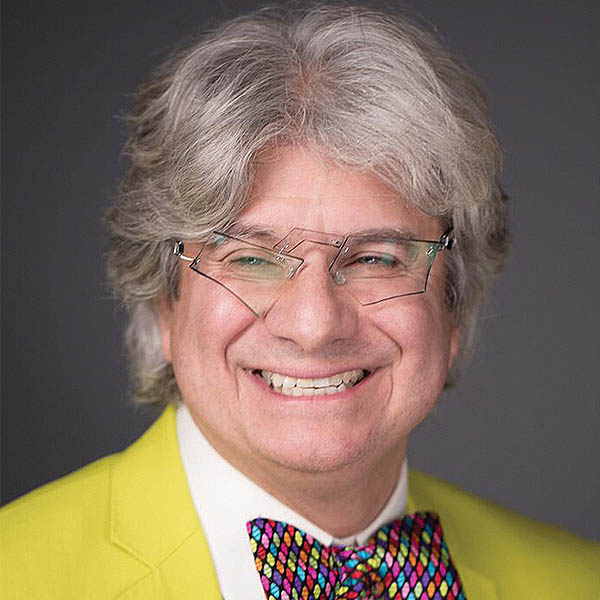
Dr. Fugazzotto
By Paul Fugazzotto, DDS, Academy News Edito
My primary care physician of 45 years, who has become a dear friend, is retiring. What happens now? Primary care physicians (PCPs) are underappreciated, underpaid and overworked. They are also a foundational cornerstone of comprehensive medical care.
Not merely “triage doctors,” a PCP must be well-versed in all aspects of medicine and able to determine when to manage a patient’s care independently, when to refer and to whom to refer, in order to optimize a patient’s long-term health and, ultimately, quality of life.
We have a PCP crisis in the United States. The Bureau of Health Workforce estimates that there is a shortage of tens of thousands of PCPs and that this crisis will worsen dramatically over the next decade. Up to 7% of U.S. counties lack even a single PCP.
Unfortunately, the problem is much deeper than a shortage of qualified PCPs. As someone in the health field, with strong connections to the medical community in Boston, I am certainly able to become part of a desired PCP’s practice. My retiring PCP suggested a young, talented physician who has recently opened a practice in the same hospital network.
However, joining a hospital-based PCP practice in today’s medical environment is far from ideal. Overburdened by an unmanageable patient load; forced by administration to see a certain number of patients per day; and often handcuffed by the indignities suffered at the hands of medical insurance companies due to the need for pre-authorizations and reduced reimbursement, even the best primary care physician is hard-pressed today to deliver optimal patient care.
The solution: seeking out a concierge or direct primary care (DPC) practice.
I admit to a level of bemusement when people discuss “concierge medicine,” which is characterized by spending time with your patients, being accessible to your patients when needed and facilitating appropriate referrals to various specialists. This is nothing more than the definition of the practices my colleagues and I have had for the last 45 years.
Regrettably, establishing and maintaining such a practice today is untenable unless one is willing to “fight the fight” for both your patients’ health and your psychological, physical and financial well-being.
The situation is identical in dentistry.
The seemingly insurmountable debt upon leaving dental school; the temptations and subsequent pressures of managed care; and the underappreciation of the general dentist as a cornerstone of patient health often force practitioners into an inescapable box that controls their practices and eventually their lives.
Such a reality is shameful!
The practice of dentistry, and ultimately the maximization of long-term patient health, is dependent upon the insight and perspicacity of the general dental community. Yes, specialists are important, much as they are in the practice of general medicine. However, without insightful general dentists performing everyday care in the same manner by which the primary care physician manages the health of a patient, and then referring to and working with appropriate specialists as necessary, patient oral health, and thus overall health, suffer dramatically.
It is not about “who will do the cleaning?” “Who will make the nightguard?” “Who will place the implant?” or “Who will restore the implant?” It is about what is best for this human being we are treating.
In situations with any degree of complexity, patients greatly benefit from the communication and cooperation that are the hallmarks of interdisciplinary care. This means care by all involved specialists, including the general dentist who, as the initial contact for the patient, is the most important specialist of all.
Failure to recognize general dentistry as a specialty would be as foolhardy as stating that primary care medicine is not a specialty, but merely an add-on.
A general dentist is precisely what I am as a periodontist. We are both specialists. We are both key members of a comprehensive patient care team, as are all orthodontists, endodontists, prosthodontists, laboratory technicians and physicians when treating a patient.
The Academy of Osseointegration understands this fact. The AO is not a “specialist academy” that excludes general dentists. Rather, the AO recognizes the irreplaceable contribution of the specialty of general dentistry to the long-term health and well-being of patients.
The AO, and dentistry as a whole, is made stronger by the contribution of our general dental specialist colleagues.
For those who are interested, after exploring and discounting numerous “concierge medical practices,” I found a practice that can truly be called concierge: The two doctors each have a maximum of 150 patients (not families), have a strong referral network to all specialties and are caring physicians, as exemplified by the fact that my new primary care physician “makes house calls” and came to meet me and perform a thorough examination while I was still housebound following reconstructive knee surgery.
The Editor’s Editorial is intended to contribute to the dialogue on issues important to implant dentists. The views expressed in the editorial do not necessarily reflect the policy of the Academy of Osseointegration or its Board of Directors. To provide feedback about this edition, or contribute as a guest author, please contact me at progressiveperio@gmail.com. We will endeavor to publish pertinent comments or views when space permits.