Dr. Joe Kan: Researcher, Teacher, Clinician, Caregiver
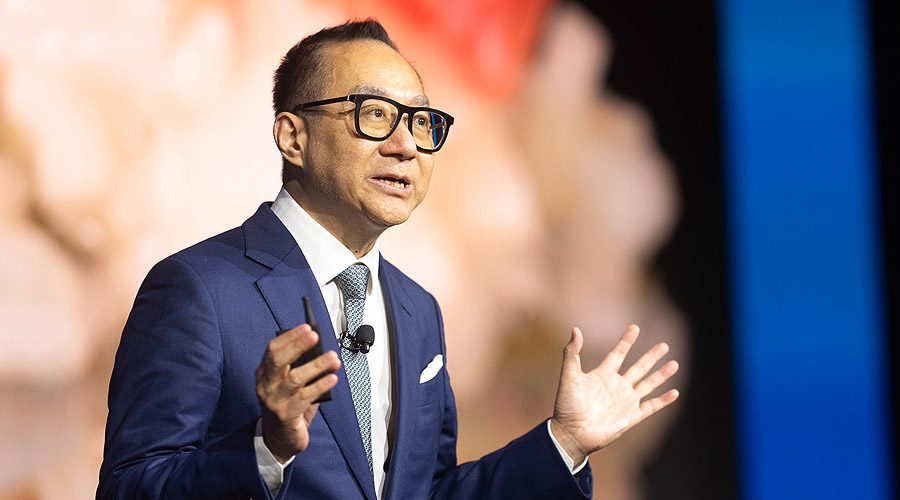
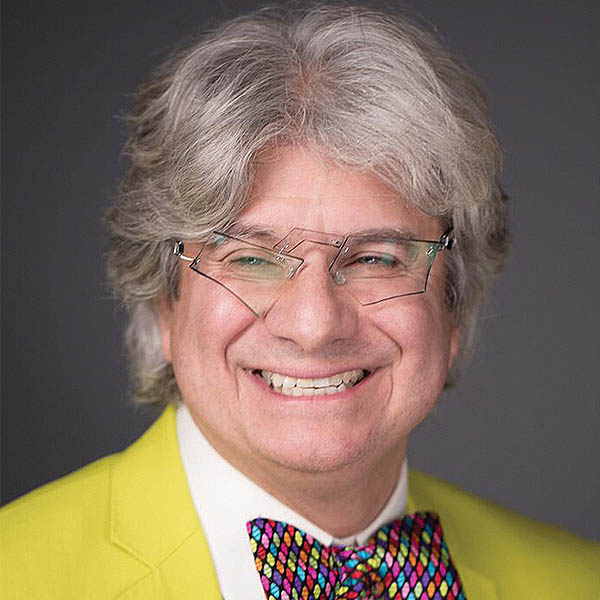
Dr. Fugazzotto
Interviewed by Dr. Paul Fugazzotto, DDS
“At the end of the day, we go back to the term biology. What creates success is to follow, respect and understand biology and biomechanics. No fancy suturing, no fancy techniques, can override biology.” – Joseph Y. K. Kan, DDS, MS
PF: Please describe the path you have taken to get to where you are and how you decided to become involved in research and teaching in addition to clinical practice?
JK: When I graduated from my specialty training, I actually had no intention of wanting to become a speaker or educator. I wanted to open a practice and make some money. Once I actually published one or two articles, I was invited to speak to a study club. Publishing the articles turned out to be important because several companies contacted me, wanting me to speak for them.
At the beginning, I didn’t want to be a public speaker because I’m a bit on the shy side. But because of the publications, people invited me, and I trained myself to become a speaker. That’s how it all got started.
PF: How did you decide how to balance things? As you know, speaking takes away from your practice time.
JK: At the beginning, hardly anybody invited me to speak. I spoke maybe once every three months. As time went on, people started inviting me, and it became hard to balance everything. I arrive late the night before, I speak, and I take off right away. I try to travel on the weekends, and that’s it.
PF: Have you found that the educational environment has changed a lot, whether it’s the audience asking you for specific topics or the audience having a different type of interaction with you?
JK: Not necessarily. I don’t switch my lectures around to try to cater to people. What has gotten tougher over the years is people wanting me to sell products, especially when companies invite me to speak.
I’m really not a product person. Unfortunately, if you don’t push products, some companies will not sponsor you. I say no. If they don’t want to invite me, too bad.
PF: If a speaker is just pushing products, there is no integrity left.
JK: Exactly. Another thing is that some clinicians tend to push certain techniques and have their own names for the techniques now. There are only so many ways to do a tunnel; there are only so many ways to raise a flap. Too many people are rehashing what was done years ago, and suddenly it becomes their technique.
At the end of the day, we go back to the term biology. What creates success is to follow, respect and understand biology and biomechanics. No fancy suturing, no fancy techniques, can override biology.
PF: Do you get the sense that clinical practices are more and more becoming beta sites for products and techniques?
JK: Social media incentivizes young people to do those kinds of things to become famous, to become known.
PF: Years ago, Dr. Phil Melnick said to me, “You know what, I hear about these guys who want to be famous. If they become really famous, a couple of thousand people around the world know them. If Muhammad Ali shows up, they’re still not going to talk to the dentist; they’re going to talk to Muhammad Ali.”
JK: I totally agree. It doesn’t matter. Bring in the historical periodontists and historical prosthodontists. How many of them would people really know? So we are not really that significant at the end of the day.
PF: What makes you want to teach?
JK: When I was a first-year dental student, I had no idea what I was doing. There was this old faculty member. No matter how bad my work was, he always was willing to spend time with me and encourage me, sometimes at his office at 7:00 p.m. for two or three hours, until I understood how to do basic dentistry.
I told myself, “One day, if I ever have a chance, I want to be something like this.” This really planted the seed in me. I got inspired, and I realized what a good teacher means — it’s not being famous, not being a superstar; it’s some guy in the middle of the night willing to say, “Hey, I’m willing to teach you, guide you. ”So that really started me off and made me want to be a teacher.
PF: Audience members often have different levels of either expertise or understanding. How do you handle such a situation?
JK: Early on, I size up the audience and decide how in-depth to get. All speakers have the ability to reach out to people and figure it out. Great speakers are great teachers. I respect people who teach rather than just show fancy, once-in-a-lifetime cases.
PF: What do you see as the biggest problem in education right now?
JK: It’s show and tell; trying to be famous. There is nothing we can do to stop it because of social media. A lot of students say, “I can just go to YouTube and Instagram and then do it myself.”
Also, people do not give enough respect to saving teeth. All-on-X cases are the big thing. What is FP1? FP1 is extracting teeth that don’t have severe periodontal disease.
PF: What keeps you excited? What makes you keep wanting to do it?
JK: I do things because I’m curious for myself. Because there are a lot of things I want to find out for myself — what is possible and what is not possible.
PF: This may sound cliché, but it’s wonderful to be able to help people who gave us their bodies.
JK: What does being a doctor mean? It’s not about being famous. Financial security is a byproduct. It’s about taking care of the patient rather than trying to use the patients for our own glory.
PF: What do you see as the positive trends?
JK: As leaders, we all need to basically instill good core values in young clinicians, so they understand our field is not about being famous or making money. It is a service-oriented and humble profession.
And we need to help them understand the foundations of biology and biomechanics because that is the foundation of all the procedures they are about to do.